How to Protect Your Records from a Natural Disaster
How to Protect Your Tax and Other Financial Records from a Natural Disaster
Natural disasters happen every day to both homes and businesses. Could your financial records survive?
Every day, people across the country lose homes, businesses, and personal belongings to disasters. Floods, tornadoes, hurricanes, wildfires, and severe thunderstorms dominate headlines during parts of the year, but emergencies can happen anytime. A house fire, a burst water pipe, or an electrical malfunction can destroy years of important paperwork in minutes.
When disasters occur, many people escape with little more than their families and pets. Afterward, they begin the difficult process of rebuilding their lives — including reconstructing financial records, tax returns, insurance paperwork, and legal documents. Recovering those records can be stressful and time-consuming—and in some cases, impossible—if there was no backup plan in place.
Fortunately, there are steps you can take now to protect your important financial and tax documents before an emergency happens.
Hang On to Your Tax Records
Clients often ask us how long they should keep old tax returns and related documents. In most cases, the IRS recommends keeping tax returns and supporting documentation for at least three years after filing. That includes W-2s, 1099s, receipts, canceled checks, charitable contribution records, and any other paperwork used to prepare your return.
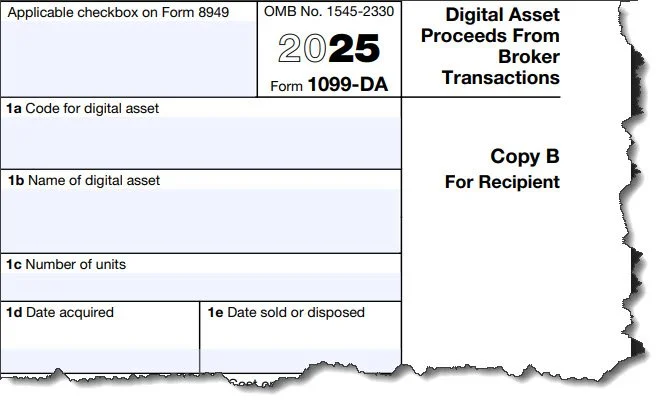
You should keep copies of tax-related documents like the new 1099-DA for at least three years.
Even after the IRS retention period has passed, you may want to keep certain documents longer for insurance claims, loan applications, or legal purposes.
Read more: For more information about how long to keep your records, visit our Record Retention webpage.
Paper Storage Has Risks
Many people still store tax returns and financial paperwork in file cabinets, cardboard boxes, envelopes, or plastic bins tucked away in basements, garages, or closets. While that may seem organized, paper storage alone leaves records vulnerable to water damage, mold, fire, and theft.
Basements are especially risky because they are prone to flooding and humidity. Garages can expose documents to extreme temperatures and pests. If a tornado or wildfire destroys a home entirely, paper records may disappear forever. This is why you should create multiple layers of protection for critical records.
Using a Fireproof Lockbox
One practical solution is investing in a fireproof, waterproof lockbox or document safe. Many affordable options cost less than $50 and can protect important papers from common household emergencies. A portable lockbox also allows you to quickly grab vital records if you need to evacuate.
Besides tax returns and supporting documentation, consider storing these items securely:
Bank and brokerage account information
Insurance policies and contact details
Property deeds and vehicle titles
Birth certificates and Social Security cards
Marriage certificates and passports
Military discharge papers
Pet vaccination and medical records
Estate planning documents such as wills or powers of attorney
Some people prefer to use a bank safe deposit box for irreplaceable originals. However, it is still wise to maintain digital copies in case physical documents become inaccessible.
Digital Storage Can Aid in Recovery
Technology has made it much easier to safeguard important records. Digital copies stored securely online or on external devices can survive even if physical paperwork is destroyed. If you’re using online banking and/or cloud-based personal finance or accounting software, you may already have access to electronic copies of your financial transactions and reports.
Having these files accessible online can make recovery much easier after a disaster. If your home or office computer is damaged, you may still be able to retrieve documents from another device with internet access.
Good Security is Critical
Digital storage comes with responsibilities. Cybercriminals increasingly target cloud accounts and financial information. Before entering or uploading sensitive financial data and other documents, research the security practices of any provider you use.
Look for services that offer:
Multi-factor authentication
Encryption of stored files
Strong password protection
Secure backup procedures
Fraud monitoring and alerts
Using unique passwords and updating them regularly can also reduce the risk of unauthorized access.
Take the Time to Scan
If most of your records still exist only on paper, now may be the time to digitize them. Investing in a reliable scanner can help you preserve your data. Scanning tax returns is especially important if you still prepare returns manually or receive paper copies from a preparer. Save electronic copies as PDFs and organize them clearly by year.
Supporting documentation can be more challenging because you may have hundreds of receipts, invoices, and expense records. This is especially true for self-employed individuals, freelancers, landlords, and gig workers who must maintain detailed expense documentation.
Rather than allowing receipts to pile up, consider instituting a “scan-as-you-go” system. Scanning documents regularly throughout the year reduces clutter and makes it easier to locate records during tax season or an audit. Mobile scanning apps can also simplify the process by allowing you to photograph receipts and upload them directly to secure storage.
Choose a Safe Backup Method
Once documents are digitized, they need to be stored safely. Some common options include:
External hard drives
USB flash drives
Cloud storage services
Encrypted backup systems
Virtual safe deposit boxes
Password managers for financial login credentials
No single method is perfect. Ideally, important records should exist in more than one place. For example, you might keep copies on an external drive while also storing encrypted backups in the cloud. If you use a password manager, choose one with strong security standards and multi-factor authentication.
Preparation Makes Recovery Easier
The key is to create a system before you need it. Preparation today can save countless hours of frustration and insurmountable problems caused by a loss of financial records. If you are considering changing your tax preparation or recordkeeping methods, we can help you develop a safer and more organized approach. Good recordkeeping not only supports disaster preparedness but can also simplify tax filing, financial planning, and audit protection year-round. Contact us, and we’ll schedule some time together.
Learn more about how you can reconstruct your records after a disaster.
At the IRS website, you can read about how you can:
Replace tax records
Financial and bank records
Reconstruct personal property records
Real property records
Property documents
Home improvements
Inherited property
Vehicle records
Source: https://www.irs.gov/newsroom/how-taxpayers-can-reconstruct-records-after-a-disaster
Total Business Care Can Help
Questions about anything income tax-related? Contact us!
For more information, please contact the Tax Team or email the office at info@totalbizcare.com to make an appointment.
To view more about the TBC Tax Team, please visit our Tax page or our Tax Care℠ page.